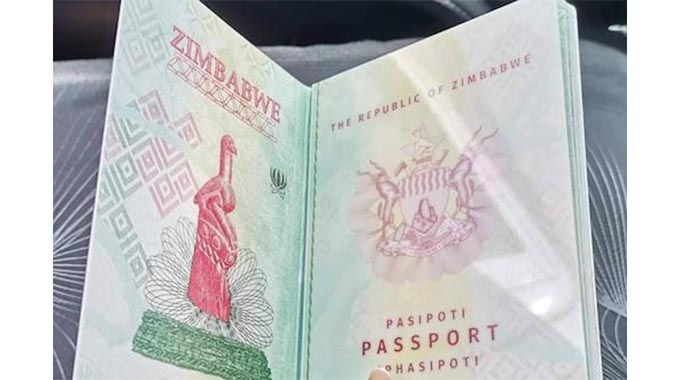
In a move to streamline border crossings and enhance the ease of doing business, holders of Zimbabwean and SADC e-passports will soon be able to enter Zimbabwe through electronic gates without the need for queuing or the involvement of immigration officials.
This development was revealed to legislators, highlighting the government’s commitment to removing bottlenecks and delays at ports of entry.
Immigration principal officer Mr. Oscar Chitsa announced that the Immigration Department is working on implementing a border management system that will facilitate swift processing for e-passport holders.
This initiative aims to alleviate the long queues typically seen at major entry points like Robert Gabriel Mugabe International Airport and the Beitbridge Border Post, especially during public holidays.
The new system will allow e-passport holders to have their travel documents scanned electronically at e-gates, bypassing the traditional, time-consuming procedures that often cause significant delays.
By adopting this technology, Zimbabwe is poised to improve the efficiency of its border management, making travel more convenient for its citizens and visitors from the SADC region.
“The implementation of e-gates is a crucial step towards modernizing our border management processes,” said Mr. Chitsa.
“It will not only speed up the entry process for e-passport holders but also enhance the overall travel experience by reducing wait times and minimizing human interaction, which is especially important in the current global health context.”
The introduction of e-gates is part of a broader strategy by the Zimbabwean government to promote ease of doing business in the country.
By simplifying and expediting the entry process, Zimbabwe hopes to attract more business travelers and tourists, thereby boosting its economy.
Over 30 Zimbabwean Illegal Miners Die Underground in Benoni, South Africa
This development aligns with global trends where many countries are adopting electronic gate systems to enhance security and efficiency at their borders.
As Zimbabwe moves towards this new system, it sets a precedent for other countries in the SADC region to follow suit, potentially paving the way for a more integrated and efficient regional travel experience.
In conclusion, the forthcoming introduction of e-gates for Zimbabwean and SADC e-passport holders is a welcome development that promises to significantly enhance the ease of travel and doing business in Zimbabwe.
This initiative underscores the government’s commitment to leveraging technology to improve public services and support economic growth.
Stay updated with Pajoni 247 News for more information on this and other developments affecting Zimbabweans in South Africa and beyond.