The long-standing tensions between the Shona and Ndebele communities in Zimbabwe have reached a boiling point.
Recent events highlight the ongoing friction, which some argue is driven by historical grievances and systemic injustices.
This article explores the recent incidents that have reignited the conflict and examines the role of the Mthwakazi Republic Party (MRP) in confronting these issues.
https://youtu.be/d8MfGeZzjes
The Mthwakazi Republic Party’s Confrontation The Mthwakazi Republic Party (MRP) has positioned itself as a staunch defender of Ndebele rights, often directly confronting perceived injustices perpetrated by the Shona.
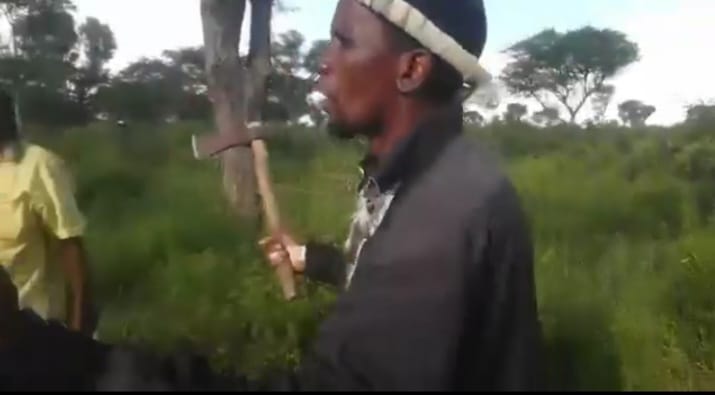
One notable incident, which took place in 2018, involved a Shona individual who attempted to seize a farm in Ntabazinduna.
This farm, previously owned by a white farmer, became a flashpoint when the MRP confronted the intruder, who was armed with a machete and a gun.
Despite the Shona man’s attempt to shoot, the MRP resisted, prompting him to seek police backup. When the police arrived, they attempted to arrest MRP members for carrying sticks, leading to a contentious and embarrassing standoff.
Continued Conflict in KwaGodlwayo The tensions did not subside with the Ntabazinduna incident. In kwaGodlwayo, another confrontation unfolded when Zinyama, a Shona individual, brought fellow Shona men to his mine.
These men allegedly began terrorizing the local Ndebele community, leading to fierce resistance from the Ndebeles.
The Shona men again sought police intervention, highlighting a recurring pattern where the police are seen as complicit in these conflicts.
The Shona Grand Plan Allegations Observers and analysts argue that these incidents are not isolated but part of a broader strategy reminiscent of the 1979 Shona Grand Plan.
Critics claim that the Zimbabwean police are actively pursuing policies that disadvantage the Ndebele, perpetuating a cycle of violence and mistrust.
The Victim-Perpetrator Dynamics The MRP frequently warns Mthwakazians about these abuses, especially those who align themselves with the Shona.
They argue that Shona individuals often play the victim card while perpetrating harmful actions against the Ndebele.
This narrative has gained traction among many who see a deliberate effort to undermine Ndebele rights and autonomy.
Debate Over Blame: ZANU PF or Shona People? A current trend in the discourse is the debate over whether the blame lies with ZANU PF or the Shona people themselves.
Some Ndebele voices argue that the real issue is ZANU PF’s policies, while others point to the presence of Shona individuals in Matabeleland’s government offices and businesses, positions that they believe should be reserved for Ndebeles.
This debate underscores a deeper question about national identity and representation.
Conclusion The ongoing conflict between the Shona and Ndebele communities in Zimbabwe is a complex issue rooted in historical grievances and contemporary injustices.
The Mthwakazi Republic Party’s confrontations have brought these issues to the forefront, challenging the status quo and demanding a reevaluation of national policies and practices.
As tensions continue to simmer, it is clear that finding a resolution requires addressing both the systemic and interpersonal dimensions of this conflict.








Leave a Reply